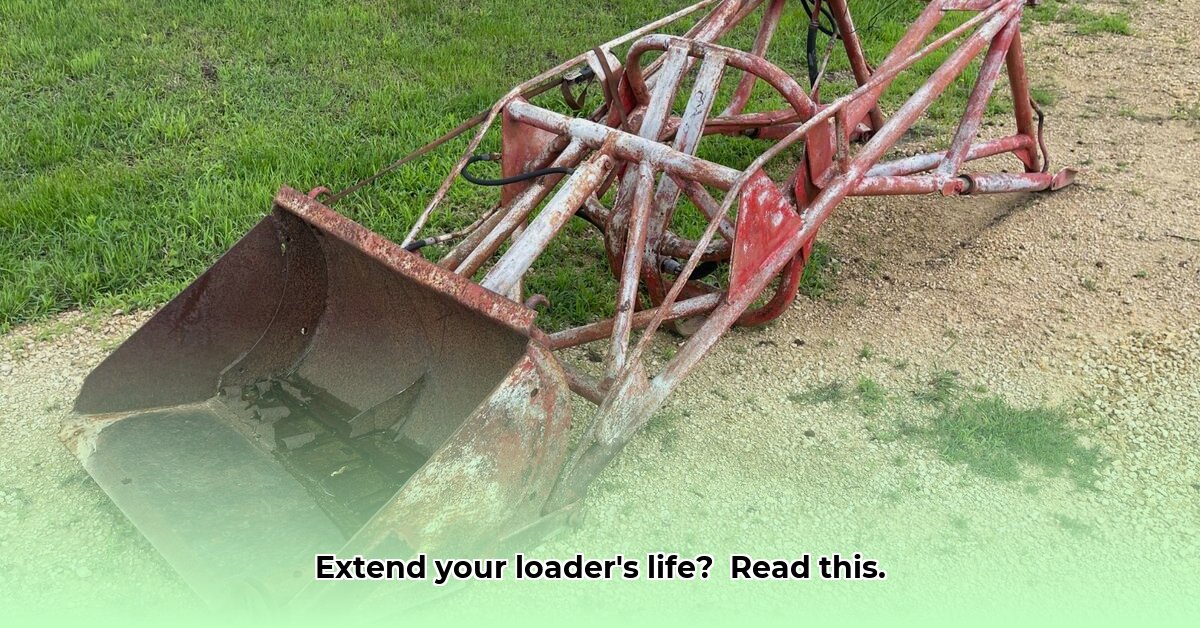
Tractor Front Loader Parts: Understanding the Fundamentals
Your tractor's front loader significantly boosts efficiency and productivity. However, its longevity depends on understanding its components and implementing a proactive maintenance strategy. This guide provides actionable steps to extend the life of your loader parts, saving you time, money, and frustration. Isn't maximizing your return on investment a key priority? For more information on tractor selection, check out our tractor buying guide.
Getting to Know Your Loader's Anatomy
Understanding your loader’s components is crucial for effective maintenance. Each part plays a vital role in the loader’s overall function.
- Hydraulic Cylinders (the 'muscles'): These power the lifting and lowering mechanisms using pressurized hydraulic fluid. Regular inspection for leaks is vital.
- Lift Arms (the 'bones'): These sturdy supports connect cylinders to the bucket, bearing significant weight. Inspect for cracks and bending regularly.
- Bucket (the 'hands'): This component scoops, carries and dumps materials. Regular cleaning prevents abrasive wear.
- Linkages (the 'joints'): This intricate system of pins and joints allows precise movement. Proper lubrication is paramount.
Regular visual inspections can prevent minor issues from becoming costly repairs. A small crack identified early can prevent significant damage and expenses later.
Keeping Your Loader in Tip-Top Shape: A Preventative Maintenance Plan
Preventative maintenance is far more cost-effective than reactive repairs. Here's a proven plan to ensure your loader's longevity:
Regular Cleaning (Daily): Remove mud, dirt, and debris after each use. These act as abrasives, shortening part lifespan. A simple wash with water and a brush suffices.
Lubrication (Weekly): Lubricate all moving parts, especially linkages and pins, using the correct grease specified in your owner's manual. Improper lubrication can cause more harm than good. Did you know that proper lubrication can increase component lifespan by up to 30%?
Visual Inspections (Monthly): Carefully inspect all components for cracks, bends, leaks, or wear. Pay close attention to hydraulic hoses, often vulnerable to abrasion. Addressing small issues promptly prevents major problems.
Tighten Bolts and Pins (Monthly): Regularly check and tighten all connections to maintain structural integrity and prevent loosening or failure. This simple step significantly improves safety and equipment life.
Troubleshooting Common Front Loader Problems
Even with proper maintenance, problems can occur. Here are some common issues and solutions:
Slow Lifting/Lowering: This usually indicates low hydraulic fluid or a leak. Check fluid levels and inspect hoses for leaks. If leaks persist, consult a professional.
No Lift/Lower: This more serious issue may suggest problems with the hydraulic pump, valves, or cylinders. Professional diagnosis is essential.
Bucket Leaks: Leaks often signal worn or damaged seals. Small leaks may be repairable with a kit; larger leaks need professional attention.
Unusual Noises (Grinding, Squealing, Banging): These sounds usually point to wear in linkages or cylinders. Inspect these areas for worn pins or bushings.
Safety First: Always disconnect the hydraulic system before any repairs to prevent serious injury.
Choosing Replacement Parts: OEM vs. Aftermarket
When replacing parts, you'll face the OEM (Original Equipment Manufacturer) versus aftermarket dilemma.
OEM Parts: More expensive, but guaranteed fit and superior quality. They typically offer a longer lifespan, ultimately offering better value.
Aftermarket Parts: Cheaper, but quality varies. Research thoroughly and buy from reputable sources; read reviews to ensure quality and durability. A seemingly cheap part can lead to costly downtime in the long run.
Advanced Maintenance and Optimization Strategies
For enhanced loader performance and longevity:
Avoid Overloading: Overloading stresses components, significantly reducing lifespan. Always operate within the loader's capacity.
Correct Operation: Consult your owner's manual for proper operating procedures. Improper operation is a leading cause of premature wear.
Environmental Protection: Store your loader in a sheltered area to minimize corrosion and damage from harsh weather.
Hydraulic System Diagnostics: Learning basic diagnostics empowers early issue detection. Online resources and courses can provide valuable training.
Cylinder Repair: While cylinder repair can save money, it requires specialized tools and knowledge. Improper repair attempts can worsen the problem.
Consistent preventative maintenance is the key to a long-lasting and efficient tractor front loader. Investing in this process now will save both time and money in the future.